
Next-gen automation platform for your business

Snapi Health used Aden’s SDK to kill monthly audit lag, enforcing real-time circuit breakers that guarantee product profitability.
Snapi Health, a pioneer in at-home infant health tracking, relies on advanced computer vision to analyze diagnostic panels via smartphone cameras. As their user base grew, so did their AI inference and cloud API costs, threatening the affordability of their core product. By integrating Aden’s Cost Control Agent SDK, Snapi Health moved from reactive monthly audits to real-time "Financial Circuit Breakers," ensuring that every AI interaction remained profitable.
Digital Health / Consumer Tech
To provide affordable, hospital-grade health insights for babies using a low-cost diaper attachment and a smartphone app.
Mobile-first application relying on heavy cloud-based Computer Vision (CV) and GenAI models to interpret urinalysis results instantly.
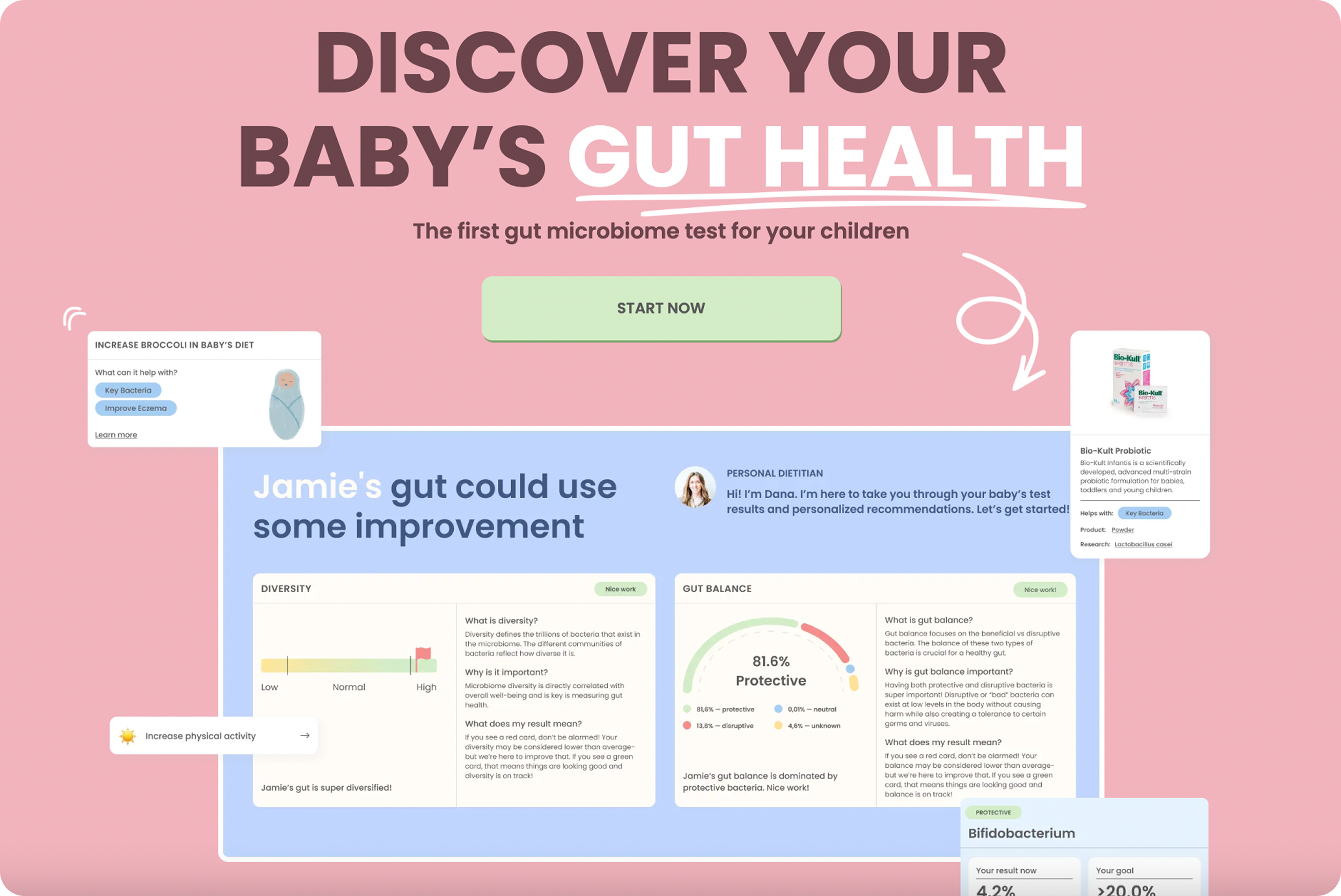
Snapi’s business model depends on high volume and low margins. They sell physical testing kits at an affordable price point, assuming a fixed cost for the digital analysis. However, as they scaled, they encountered the "Runaway Inference" problem.
Unpredictable Spikes
A single user retrying a failed photo upload 10 times would trigger 10x the cloud inference cost, wiping out the margin for that entire kit.
Delayed Visibility
The engineering team only saw these cost spikes when the cloud bill arrived 30 days later.
Manual Reconciliation
Finance had no way to map a $50,000 cloud bill back to specific user cohorts or feature usage.
We were flying blind. We knew our user base was growing, but our cloud bills were growing twice as fast. We couldn't tell which features were bleeding money.
CTO
Snapi Health chose Aden to embed financial governance directly into their application code. Instead of just monitoring costs, they used Aden’s Agent SDK to actively manage them.
Mapping every API call (OpenAI/AWS) to a specific user_id and scan_event.
Real-time logic to block or downgrade requests that exceed a specific profitability threshold.
Agents that watch for "looping" behaviors (e.g., a phone stuck in a retry loop) and cut the connection instantly.
Be Part of the Next-Gen Workforce
Snapi's engineering team integrated the Aden SDK directly into their backend microservices.

Deploy the Aden SDK with a single-line bootstrap to instrument your entire model registry. This creates an immediate, fail-safe proxy layer that governs every outgoing request to OpenAI or cloud providers.
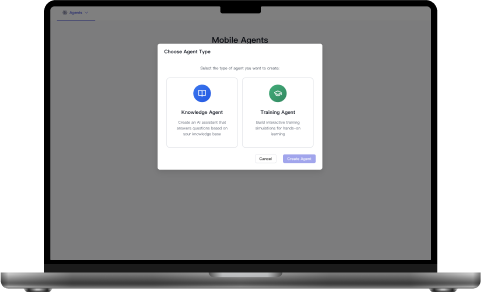
Inject granular metadata into your backend services to map every model interaction to specific users and cost centers. This transforms raw API logs into a rich data stream for "penny-perfect" unit economic attribution.
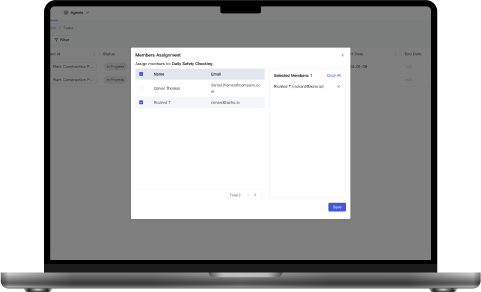
Define server-side guardrails that dictate how your infrastructure reacts to spend thresholds in real-time. Dynamically switch models or block runaway loops without redeploying a single line of application code.
By automatically downgrading expensive requests for non-critical retries, Snapi stabilized their cost-per-scan.
The "Runaway Loop" protection caught a bug in the iOS app’s retry logic that would have cost an estimated $12,000 in wasted API calls.
The Finance team now uses the Aden Dashboard to see a live P&L per feature, allowing them to price new premium tiers with 100% confidence.
For Snapi Health, Aden wasn't just an accounting tool. It was an infrastructure necessity. By using the Aden SDK, they turned cost control from a monthly spreadsheet exercise into an automated, real-time function of their code, allowing them to scale their AI diagnostics without scaling their financial risk.
We're building the native cloud for AI agents. If you want to work on hard infrastructure problems at the frontier of autonomous systems, we'd like to hear from you.
View open positions →